Why Iceland Is Emerging as the World’s Longevity & Wellness Hub
For those who demand more than comfort — those who seek renewal, clarity, health, and meaning — Iceland offers a rare blend: rugged beauty, clean air, slow rhythms, strong public health, and a rising reputation as a place where well-being thrives. Here’s how.
1. Longevity & Health Statistics
Life expectancy in Iceland has been among the highest in Europe. In 2024, average life expectancy was 80.9 years for men and 84.3 years for women, up from earlier years. Statistics Iceland
Infant mortality is extremely low (≈1.4 per 1,000 live births in 2024), among the best globally. Statistics Iceland
Over the last few decades, Iceland has steadily improved mortality rates and extended longevity, placing it well above many global averages. TheGlobalEconomy.com+2OECD+2
These numbers reflect not just excellent health care, but lifestyle, environment, nutrition, community, and public policy working together.
2. Environment, Clean Air, Nature Therapy
One of Iceland’s foundational well-being assets is its environment:
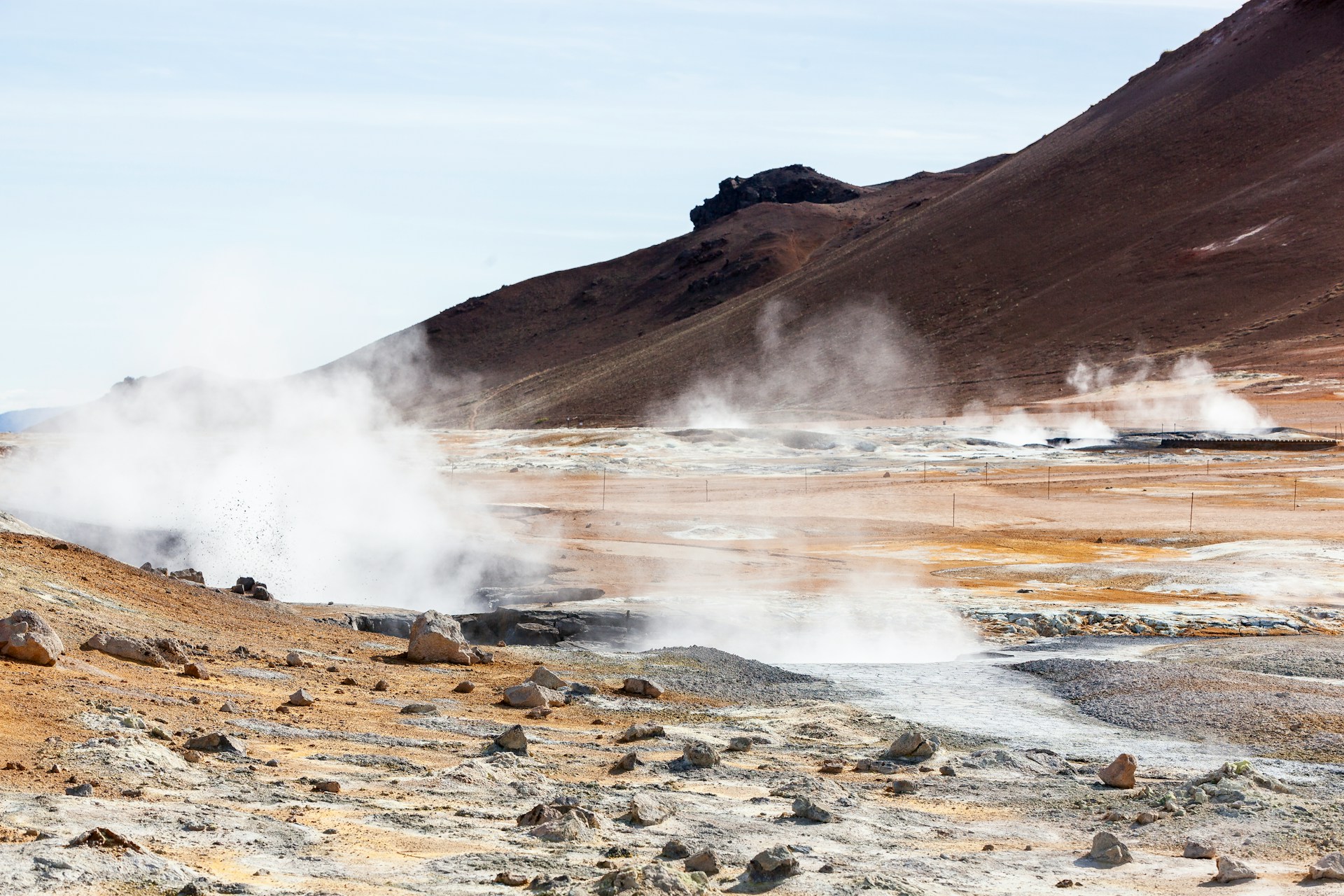
Vast, unpolluted landscapes, geothermal air, clean water, minimal industry in much of the country.
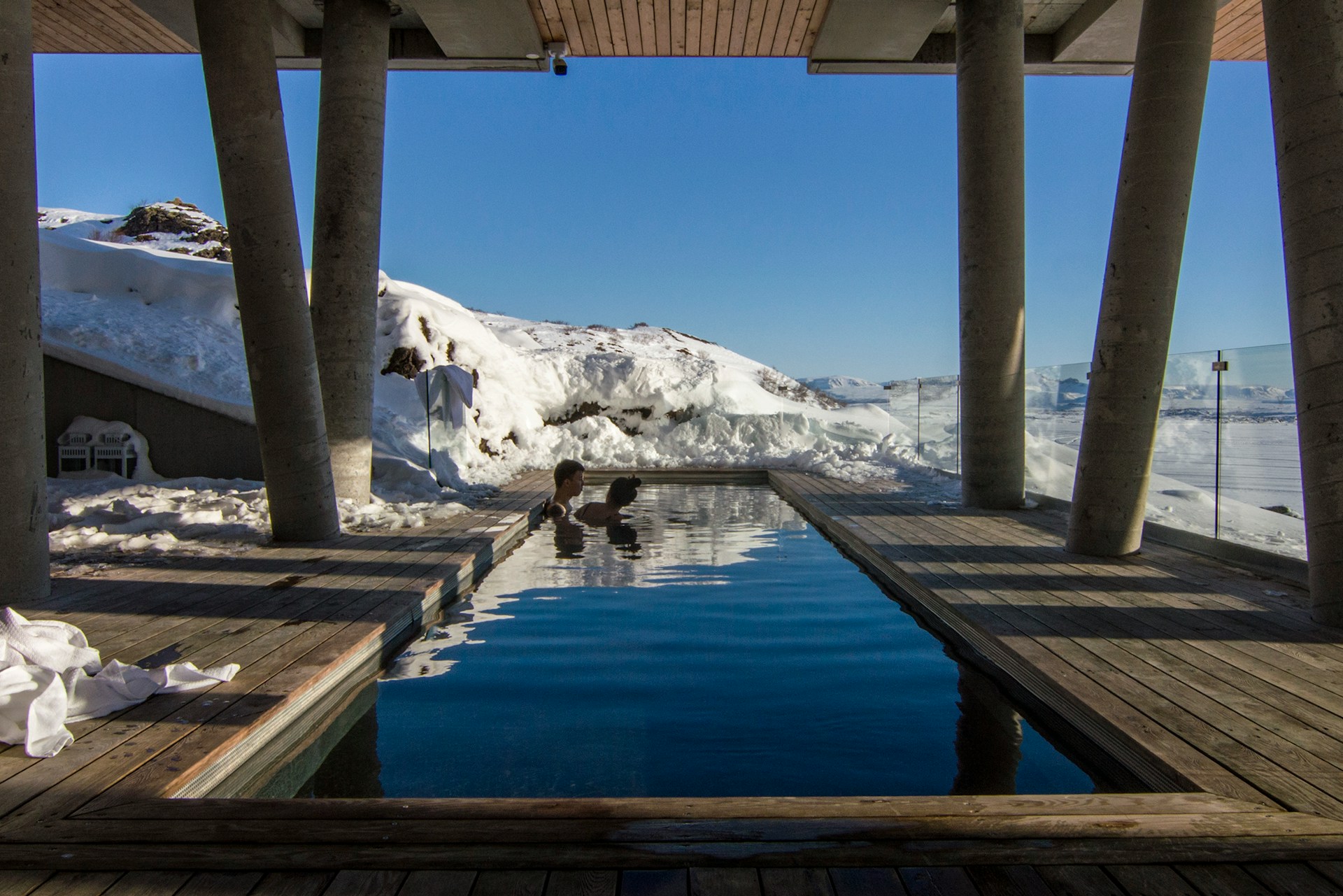
Easy access to nature: hot springs, hiking, snow, ice, Northern Lights. Nature is not a weekend escape—it’s woven into everyday life.
Iceland’s own policies increasingly emphasize environmental protection; natural sites are carefully managed to balance tourism and conservation.
3. Modern Retreats, Wellness Innovation & Celebrity Influence
Iceland is becoming a go-to retreat for artists and wellness-minded individuals. For example, Justin Bieber recently visited Iceland (Eleven Deplar Farm in Ólafsfjörður) to record and recharge, engaging in cold plunges, saunas, robotics--nature immersion, snowboarding, and digital disconnection. People.com
These moments matter because culture and visibility drive demand for wellness tourism, for remote creative work, and for people looking for places that support mental, physical, and spiritual renewal.
4. Public Health, Diet & Social Structure
Iceland’s social systems (healthcare, education, welfare) are strong, providing baseline security that enables people to focus on quality of life.
Traditional Icelandic diet includes fish, dairy, fermented foods, wild greens—nutrient-rich, clean, often locally sourced.
A strong emphasis on community, nature, low stress: low crime, high safety, cultural values that favor modesty, solitude, and reflection.
5. Challenges & Trade-offs
To be realistic, Iceland isn’t perfect:
Winters are long, dark, and cold; isolation can be intense for some.
Cost of living is high (food, imported goods, heating).
Environmental pressures: a spike in tourism can degrade natural sites; balancing openness and protection is ongoing.
Access in rural zones can be difficult in bad weather or seasons.
6. Why This Matters for HEIMA COLLECTION Clients
For someone who values longevity, sustainable health, creative energy, and well-being:
A property here isn’t just a home — it’s a way to embed health, nature, renewal into daily life.
You can combine remote work, creative retreats, wellness practices (cold exposure, saunas, geothermal bathing) into your rhythm.
Living in a place that promotes well-being isn’t just about luxury — it’s about investing in resilience, mental clarity, longevity.


.jpg)